Building a Lifetime Portfolio: My Investment Philosophy

Inspired by Warren Buffett's motto of buying great companies at fair prices, my investment strategy prioritizes quality over quantity. I believe in holding exceptional businesses for the long term. I am trying to build a portfolio for a lifetime. I only purchase companies I plan to hold for my entire life. This "never sell" approach demands meticulous selection, ensuring I'm fully confident in each holding's long-term potential.
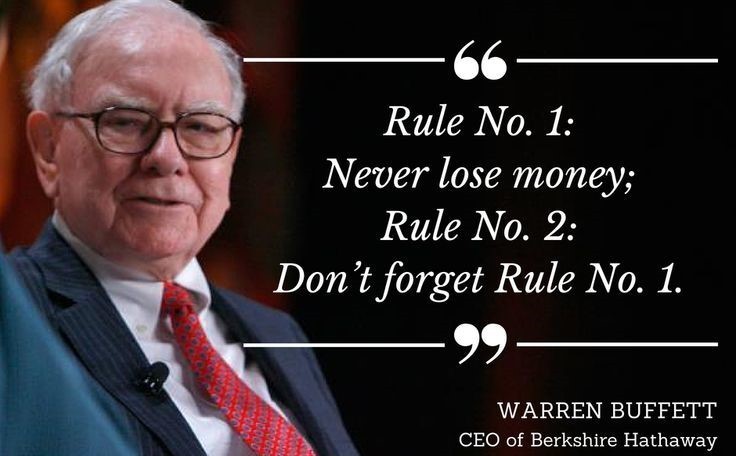
Warren Buffett

Coma Test

Durability is paramount in my analysis. I ask myself, "If I were in a coma for 100 years, would this company still thrive?" This naturally leads me towards strong brands with established consumer loyalty and enduring business models. Think of Starbucks' or McDonalds' enduring appeal. If I woke up in the year 21XX I would be shocked if these companies were not still around paying dividends to their shareholders.

Pricing Power

A vital filter I use is pricing power. Great brands aren't just beloved, they also command control over their pricing, creating a "moat" against competition and ensuring consistent profitability. Imagine Apple's ability to charge premium prices for its innovative products.

Barriers to Entry

Beyond brand strength and pricing power, I also value companies with robust barriers to entry. These barriers make it difficult for new competitors to enter the market, protecting existing players from price wars and ensuring long-term profitability. A prime example is Boeing, the aerospace giant. Not only does Boeing boast a strong brand with loyal customers like airlines and governments, but it also faces significant barriers to entry. Building the massive manufacturing facilities and securing certifications from the FAA are formidable hurdles for any potential competitor. This creates a "moat" around Boeing's business, allowing it to command premium prices and maintain steady profits even in challenging economic environments. By including companies like Boeing in my portfolio, I gain exposure to industries with limited competition, potentially boosting my overall returns and reducing risk.

Sticking to What I Know

Having a deep understanding of the companies I own is a core principle of my investment strategy. This doesn't limit me to just a few sectors, but it does mean I avoid venturing into industries where I lack understanding. Take semiconductors, for example. While their potential is undeniable, the technical complexities and rapid advancements are beyond my current knowledge base. Instead, I focus on industries and companies I can readily grasp. I watch YouTube and use Google daily, experiencing their products firsthand. Understanding their value proposition and witnessing their consistent billions in profit and balance sheets with over a $100 billion in cash gives me confidence in their long-term prospects. So, when their stock prices dipped in late 2022 and early 2023, it felt like a common-sense buying opportunity based on my familiarity with their business models and future potential.

Contrarianism

I embrace contrarianism. When markets panic and undervalue strong companies, I see an opportunity. I believe in being "greedy when others are fearful," like buying into a beloved brand during an industry or economic downturn. This approach allows me to acquire exceptional businesses at attractive prices, setting myself up for long-term success.

The Becky Portfolio: What Does Becky Buy?

The "Becky portfolio" strategy is an investment approach that focuses on companies popular with young, affluent women, often nicknamed "Becky". Here's what you need to know:

This strategy makes a lot of sense to me because I am very reluctant to spend money on myself or if I do I am very price conscious and I make sure my purchase is thought out. However, when I buy for my girlfriend I just buy. I don't look for deals she points and I usually just buy. This gives brands that appeal to these young women an advantage because for each customer they have two incomes. Due to the fact that the man will probably pay for most of the expenses and spend a sizable portion of the money left over on gifts for his girlfriend. Because women usually spend less on expenses and have more money left over, it is likely that she will have more money to spend on these products. Though obviously not applicable to everyone, there is a trend that can be observed.

The Idea:

Examples of Becky Companies:

Performance

The concept gained traction after a study showed impressive hypothetical returns for a "Becky" portfolio compared to the S&P 500.

Diversification

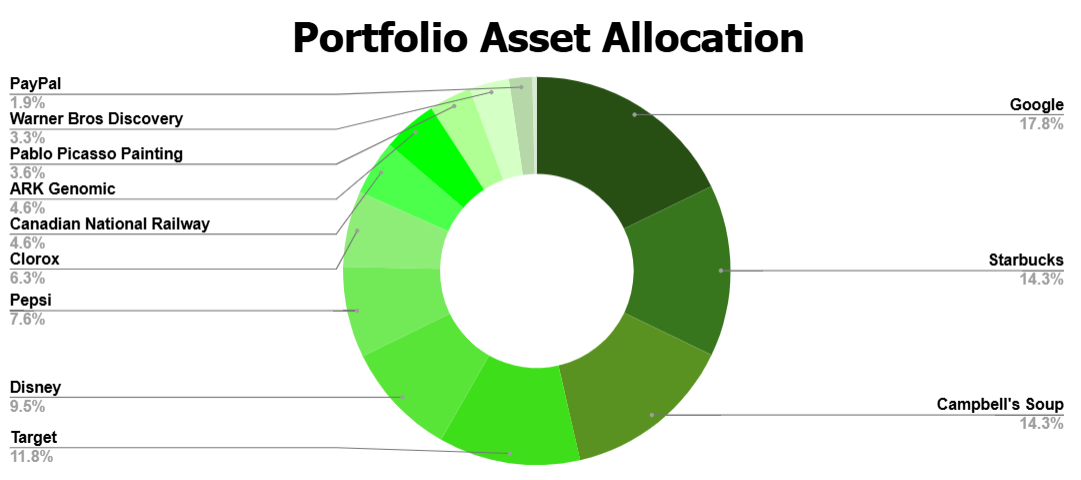
While I aspire to diversify with more great brands, my youth allows me to focus on fewer, carefully chosen holdings for now. I avoid buying solely for diversification, prioritizing conviction over mere portfolio balance. Case in point: Google. When it traded at a price I deemed attractive, I invested heavily in my Roth IRA, even if it meant exceeding its one-third portfolio limit. Over time, as I invest in other compelling businesses, Google's relative weight will naturally decrease. Below is a pie chart displaying the current make up of my portfolio.

WARNING!

I am not a financial advisor do not copy me. Do you own research before investing in anything.
Why I Own Each of My Stocks

Reason I SOLD Most My Warner Bros (WBD)

Percent of Portfolio:
3.3%

Warner Bros Discovery

Background

Warner Bros. Discovery was my second largest stock after Google, and for years the two held the top spots in my portfolio. I was a firm believer in WBD’s turnaround potential and had a lot of confidence in their CEO, David Zaslav. Whenever the stock dipped, I would pick up a few more shares, even when my capital was limited.

I first bought shares in October 2022 and put more research and analysis into this investment than almost any other I’ve made. That work paid off.

Big History, Big Potential

Warner Bros. has been at the center of some of the largest acquisitions in corporate history: the AOL merger in 2000 valued at $182 billion, and the AT&T deal in 2016 for $85 billion. From the start, I knew it could be a candidate for another buyout, but I also believed it could succeed as a standalone business.

Why I Sold

I sold my most my shares around $18 - $20, nearly doubling my cost basis. The stock had recently surged from around $11 to $20 on news that Skydance and Paramount were considering a bid for the company. They haven’t even submitted a formal offer yet, so there’s no guarantee of what price they’d pay—or whether a deal will happen at all.

When I ran the numbers earlier, one of my best-case scenarios was the stock doubling over a three-year period. Instead, I achieved that return in just two weeks. That made it a clear decision to lock in profit

My Plan Going Forward

I’ve never invested in a company during a takeover before, so there’s always the chance I sold too early. If a bid comes in at $30 a share, I’ll have left money on the table. Still, I’m comfortable with my choice. Selling at $20 was a strong return and it also leaves me with the flexibility to re-enter if the deal falls apart and the stock pulls back.

I would actually welcome that scenario. Warner Bros. Discovery remains a great business with a storied history and strong leadership. If it trades lower again, I’d be interested in buying back in. Even if the merger does go through, I suspect the new Skydance-Paramount-WBD entity may face challenges. Legacy cable TV is a dying business, and Wall Street hates it. Combine that with a heavy debt load from the merger, and I expect the stock could face headwinds. That kind of weakness could create another buying opportunity for me—if the numbers make sense.

Reason I Own Google (GOOGL)

Percent of Portfolio:
17.8%

Google Company Logo

Why Google Stock is the Bedrock of My Lifetime Portfolio

My investment philosophy, molded by the wisdom of Warren Buffett, centers around identifying extraordinary businesses with staying power and holding them for the long haul. Google, in my estimation, exemplifies these qualities. Its deep-rooted competitive advantages, innovative spirit, and robust financials position it as a company I'm confident in owning for a lifetime.

Brand Power That Endures

Google has achieved a level of brand recognition and integration into our daily lives. This type of consumer loyalty makes it difficult to imagine a future without them. If I were to awaken decades from now, I'm confident Google would still be a thriving entity.

Pricing Power: The Key to Profitability

Google commands premium prices for its unparalleled advertising services simply because it consistently delivers results. Businesses understand that when it comes to reaching their target audience, Google Search and its associated platforms are unmatched. This grants them enviable pricing power, shielding their profit margins from competitive pressures.

Barriers to Entry: A Fortress around Google's Empire

Attempting to replicate Google's success would be a monumental undertaking. The data they've amassed, their sophisticated algorithms, and the sheer scale of their operations create barriers to entry that offer lasting protection from would-be competitors.

The Data Advantage: Fueling Innovation

The adage that "data is the new oil" rings true in the 21st century, and nobody has a deeper well than Google. From Google Search and Chrome to Android and the vast network of Google Cloud clients, the company collects an unfathomable amount of information. This data powers everything from improving their core search results to optimizing targeted advertising and fueling the advancement of their AI projects.

Google Search: The Unrivaled Cash Engine

Google Search is the beating heart of the company – a cash-generating juggernaut. Globally google is known as a verb for look online, this underscores its dominance. How many time have you asked a question and someone replying "I don't know google it". For businesses, advertising on Google's platform is a near-necessity. This reality should insulate Google's search revenue stream from significant decline even in challenging economic times.

Financial Might: A Foundation for Stability and Growth

Google's balance sheet is a testament to their financial prudence and profitability. They boast over $150 billion in cash reserves and generate massive annual profits. This financial firepower grants them unmatched flexibility. It allows them to pour resources into research and development, make smart acquisitions, and withstand economic downturns that would cripple less-established companies. As a long-term investor, this financial strength gives me immense peace of mind.

The AI Opportunity: A Transformative Force

Google has established itself as a leader in the field of artificial intelligence. While their AI chatbot, Gemini, still requires refinement to address potential biases and deliver consistently usable responses, the core potential of AI is undeniable. Their vast data stores, when coupled with AI, position them to make breakthroughs that could revolutionize industries ranging from healthcare to transportation. The profit potential of such AI advancements is staggering.

Cloud, Quantum Computing, and Moonshot Ventures

Google Cloud is a formidable contender in the rapidly expanding cloud computing sector, another area with explosive growth potential. Additionally, Google's investments in quantum computing, while still in nascent stages, could bring about seismic shifts in computational power. This long-range vision, exemplified by projects like Waymo (self-driving vehicles) and numerous healthcare endeavors, signifies Google is well-positioned to generate additional revenue streams far into the future.

YouTube: Redefining Entertainment

For me, YouTube has become the primary source for entertainment, news, and education. As a member of the generation that has grown up alongside YouTube, I've seen firsthand how the platform has captured the attention of both young and old. This is best seen through the example of my dad. He hates technology and is not great with computers, but he loves YouTube and is always watching it and finding videos on subjects he is interested in. I listen to YouTube for hours a day during work. The content on YouTube is so vast and there are videos covering every possible niche that I never struggle searching too long before I find something that interests me. There is so much you can learn through YouTube. Whether it is my dad watching videos on how to fix one of his vehicles or me looking up a programming tutorial for work, you can learn anything on YouTube. I have even considered making a YouTube channel and making videos myself.

The subscription-based, ad-free YouTube Premium offers a compelling value proposition. The trend toward cord-cutting only strengthens YouTube's position, paving the way for substantial growth that could see it completely reshape the traditional television landscape. Over a billion hours of videos are watched every day and every single one of them Google makes money on.

Passing the 'Coma Test': Confidence for the Ultra-Long Haul

The industries Google disrupts and creates – AI, cloud computing, self-driving cars, healthcare, quantum computing – are undeniably poised to define our future. Even if I were to slip into a century-long coma, I'm confident I'd awaken to a world where Google continues to thrive. This long-term outlook is why holding this stock for a lifetime feels like a decision I can make without hesitation.

The Foundation of My Portfolio

Google's strengths run deep – their brand power, data advantage, and relentless innovation are not fleeting trends. These qualities are why I'm confident Google isn't simply a great investment for today, but for the decades ahead. As technology shapes our future, Google is poised to remain a key player, making it a cornerstone of my long-term portfolio.

Reason I Own Starbuck (SBUX)

Percent of Portfolio:
14.3%

Starbucks Logo

Why Starbucks Brews Up a Strong Investment: A Look Through My Lens

Starbucks is a compelling choice, brimming with potential for long-term growth. Here's why this coffee giant fits seamlessly into my long-term portfolio strategy, aligning with the "coma test," pricing power, brand loyalty, and the "Becky portfolio" approach.

Coma Test: A Brand Built to Endure

Imagine waking up in 2124. Would Starbucks still be a thriving giant? I would think yes. Starbucks boasts a powerful brand with a fiercely loyal customer base. Their coffee shops are more than just places to grab a caffeine fix; they're social hubs, productivity havens, and ingrained in everyday routines. This enduring appeal positions Starbucks to continue serving (and profiting from) customers for decades to come.

Pricing Power: A Moat Against the Competition

Starbucks isn't afraid to charge a premium for their coffee. Yet, their lines remain long. This pricing power is a testament to the brand's strength. It creates a "moat" around their business, shielding them from price wars and ensuring consistent profitability. Even with competitors offering cheaper coffee, the Starbucks experience holds a unique value for its patrons.

Barriers to Entry: Not Just Beans and Brews

Opening a coffee shop isn't enough to compete with Starbucks. The company has built a robust infrastructure, a complex supply chain, and meticulous quality control. Replicating this intricate system is a significant barrier for new entrants, allowing Starbucks to maintain its market dominance and healthy profit margins.

Sticking to What I Know: A Brand I Understand

I prioritize companies I can personally understand. Starbucks falls into this category. I drive past a Starbucks frequently and I can see the line is always long. Their business model is clear, their products are familiar, and their financial health – with billions in profit and a strong balance sheet – inspires confidence.

Contrarianism and Boycotts: When Fear Brews Opportunity

While the recent boycott against Starbucks due to their stance on the Israel Palestine conflict, might be concerning to some, I view it through a contrarian lens. Political tensions are temporary, and Starbucks' brand loyalty is strong. When the dust settles, I believe customers will return to their favorite coffee shop. In fact, this boycott might even present a buying opportunity if the stock price dips.

The Becky Factor: Aligning with Powerful Trends

The "Becky portfolio" strategy resonates with me because it taps into the undeniable spending power of young, affluent women. Starbucks perfectly aligns with this trend. It's a brand widely popular with this demographic, and their "treat yourself" mentality bodes well for Starbucks' continued success.

In conclusion, Starbucks embodies the qualities I seek in a long-term investment. Their powerful brand, loyal customer base, pricing power, and strong financial health make them a compelling holding for any investor seeking stability and growth. While the "coma test," pricing power, and "Becky factor" might not be traditional investment metrics, they serve as valuable tools within my personal investment philosophy.

Reason I Own Campbell's Soup Company (CPB)

Percent of Portfolio:
14.3%

Logo

A Defensive Icon at an Attractive Price

At first glance, Campbell Soup might appear to be a “boring” investment. Canned soup hardly excites Wall Street, but boring often means dependable. My philosophy is that almost any stock can be a buy — if purchased at the right price. Campbell’s recent decline has provided just that opportunity.

The company’s brand strength is undeniable. Campbell’s red-and-white can is not only a household staple but also a cultural icon, immortalized in Andy Warhol’s famous pop art series. This level of recognition demonstrates the durability of Campbell’s moat: when consumers think of soup, Campbell’s often comes to mind first.

Valuation Reset: A Rare Entry Point

The past year has seen a dramatic drop in Campbell’s stock price. This decline has pushed the company’s price-to-earnings ratio to levels not seen in years and lifted the dividend yield to nearly 5% at my purchase price — an unusually high level for Campbell’s. The dividend payout ratio of roughly 50% further reassures me that the payout is sustainable.

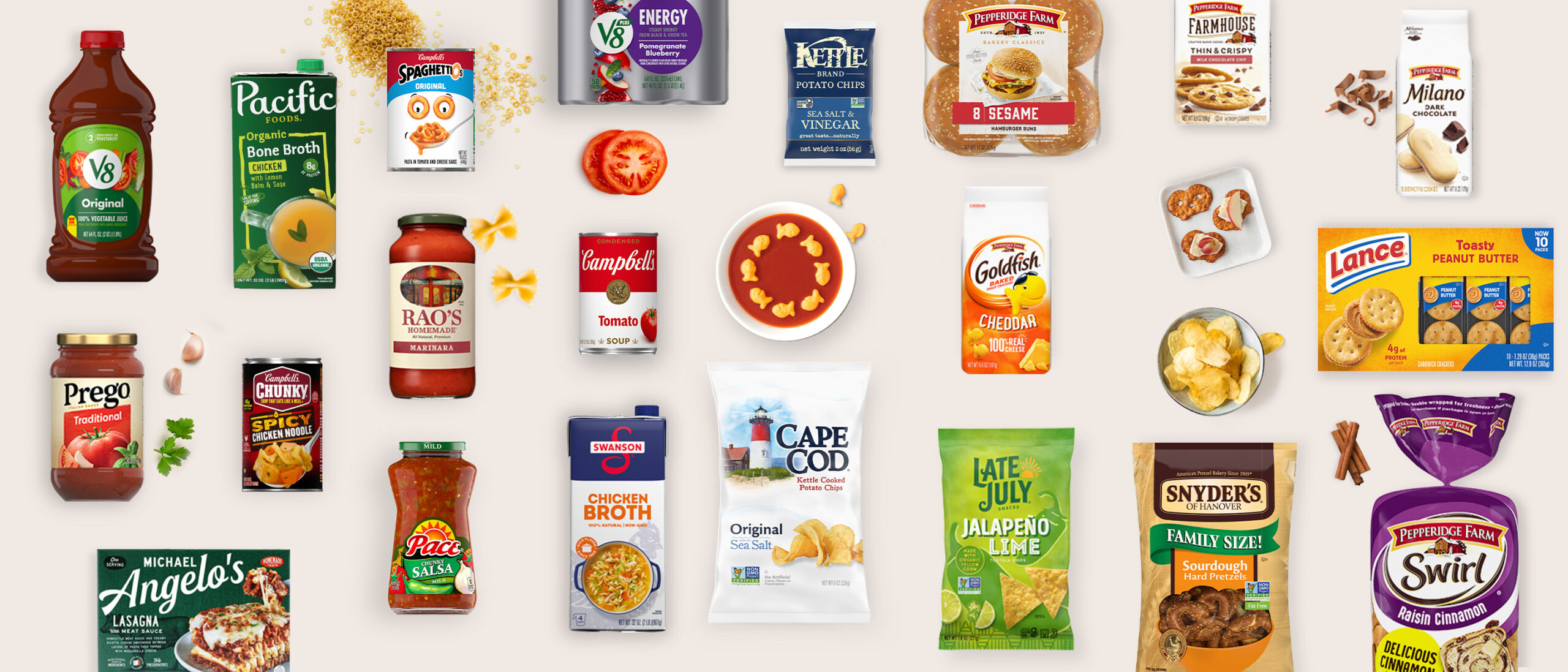
Campbell’s is more than soup. Its portfolio includes snacks, sauces, and premium brands like Rao’s. This diversification gives it exposure to multiple food categories beyond its core business.

Campbell's Brands

What’s Driving the Fear?

Three primary headwinds have weighed on the stock:

My Perspective on the Risks

Ozempic Concerns:

Wall Street’s prevailing view is that appetite-suppressing drugs like Ozempic will lead to a permanent decline in snacking, hurting companies like Campbell’s. I disagree. While these drugs have received massive media attention, I believe adoption will slow as their risks and costs become better understood.

The potential side effects are not minor. Studies have raised concerns about thyroid cancer, and in some cases users have experienced severe gastrointestinal issues that can permanently alter quality of life — including the need for a colostomy bag. Beyond health, the cultural conversation has already latched onto what has been called “Ozempic ass” — a cosmetic effect where users lose weight in areas they don’t want to, such as the buttocks. From a behavioral standpoint, it’s hard to imagine mass adoption of an expensive drug that makes people feel less attractive.

Another reason I’m skeptical is that celebrities, who were among the earliest to embrace Ozempic, will also be the first to showcase its negative side effects. As their stories spread, the public narrative could shift from miracle drug to cautionary tale.

Finally, Ozempic is costly — often running hundreds or even thousands of dollars per month. Most consumers will hesitate to commit to such a high recurring expense for a product with potentially unattractive or even dangerous side effects. For these reasons, I believe fears of a long-term collapse in snacking are exaggerated. Once the hype fades, Campbell’s brands like Goldfish and Kettle will continue to thrive.

Tariff Pressures:

Aluminum tariffs are a legitimate short-term headwind, but I see them as temporary. They could be removed by future administrations, offset by domestic production growth, or simply passed through to consumers. Over a long-term horizon, tariffs should not meaningfully alter Campbell’s investment case.

Regulation Fears:

Even if food regulations increase, Campbell’s appears better positioned than many peers. The company already offers cleaner-label products like Kettle Chips cooked in avocado oil and premium soups with higher-quality ingredients. Adjustments to recipes would likely be absorbed by consumers as broader food inflation, rather than a specific hit to Campbell’s. In fact, during tougher economic times, affordable options like canned soup and Rao’s frozen pizzas could see stronger demand as consumers trade down from restaurants.

Growth Through Rao’s

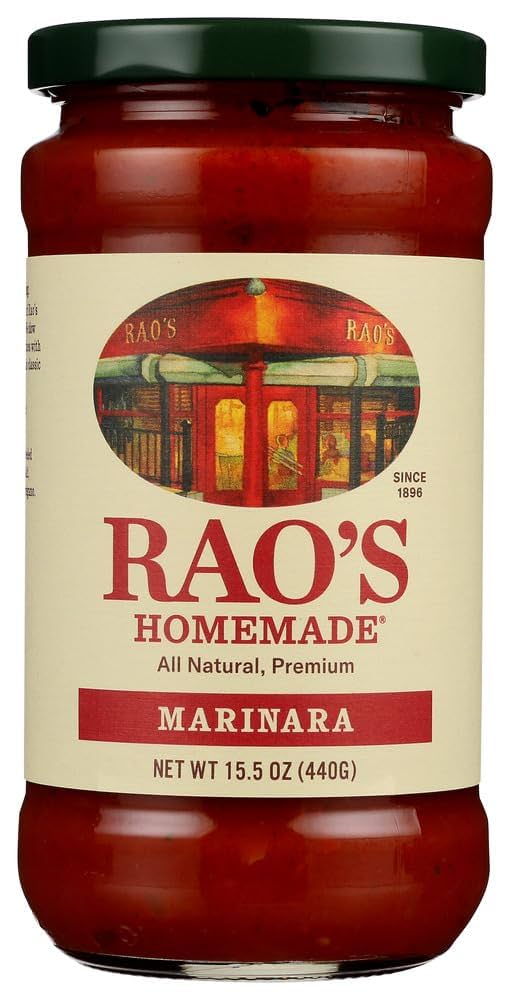
Campbell’s acquisition of Rao’s has been a bright spot. Rao’s pasta sauce is a premium brand growing at high single-digit rates and has quickly become a staple in many grocery aisles. While the acquisition added billions in debt, it has also boosted revenue and earnings, strengthening Campbell’s portfolio with a high-quality, growth-oriented product.

Roa's Sauce Image

Dividend, Stability, and Strategy

Locking in a ~5% yield makes this investment particularly attractive. With the S&P 500 historically compounding at about 8% per year, I believe Campbell’s offers the potential to outperform that benchmark on a risk-adjusted basis. The stock also serves as a hedge within my portfolio. In recessions, investors often rotate into safe, dividend-paying consumer staples like Campbell’s. Should that dynamic play out, I may choose to reallocate into growth names trading at depressed valuations. Otherwise, I am content to hold Campbell’s indefinitely and let the dividends compound.

Conclusion

Campbell Soup represents exactly the kind of contrarian, value-driven investment I seek. Market fears around Ozempic, tariffs, and regulation appear overstated. Meanwhile, the company’s iconic brand, diversified portfolio, resilient demand, and stable dividend create a compelling long-term case. Whether Campbell’s stock re-rates higher or simply provides me a steady stream of income, I believe I purchased my shares at an excellent price.

Reason I Own Target (TGT)

Percent of Portfolio:
11.8%

Target Logo

Why Target Deserves a Spot in My Long-Term Portfolio

My investment philosophy focuses on exceptional businesses I can confidently hold for decades. Target, in my view, embodies many of the traits I seek in a long-term holding.

Becky Loves Target:

One lens I use to evaluate companies is the "Becky portfolio" concept. This strategy highlights companies popular with young and middle age, affluent women who tend to be brand loyal and have significant buying power, often with a partner who contributes to them financially. This dynamic gives companies like Target an edge. Target caters directly to this demographic, offering a variety of products across home goods, apparel, beauty, and more – all under one roof. This convenience factor, coupled with the brand's appeal, translates to a loyal customer base willing to spend.

Strong Brand:

Target has cultivated a powerful brand identity. Their stores are known for being clean, organized, and offering a curated selection of trendy yet affordable products. This customer loyalty positions Target well for long-term success.

Technology Innovation:

An often-overlooked strength is Target's leadership in loss prevention technology. Here is a video explaining their advanced shoplifting prevention system. Why a Big Box Store Started Solving Violent Crimes The summary of the video is if you are going to steal don’t do it from target. Their labs and systems are so effective that even local police departments have sought their assistance. This commitment to innovation positions them well to adapt and thrive in the ever-evolving retail landscape.

Personal Experience:

As a Target shopper, I've consistently had positive experiences. Stores are well-stocked and staff is helpful. My online shopping experiences have also been smooth, reinforcing my confidence in their operations.

Contrarian Investment:

During a boycott sparked by their LGBTQ+ clothing line for children, I saw an opportunity. While some might view this as a negative, I viewed it as a short-sighted reaction that wouldn't impact Target's core customer base. This contrarian approach allowed me to acquire Target at what I thought was an attractive price.

The Coma Test: A Long-Term Look

While the "coma test" – would this company survive 100 years in a coma? – raises a valid concern for the longevity of any retailer in general, Target's customer base and focus on innovation give them a fighting chance. Companies like Sears and Kmart serve as cautionary tales. No matter how indestructible you may seem retail is a hard and competitive industry. However, Target's commitment to adaptation offers a reason for optimism.

Bullish for the Future: Target's Expansion Plans

Target's commitment to growth strengthens my bullish outlook on the company. They recently announced plans to build over 300 new stores in the next decade, adding to their already impressive footprint. This expansion will bring Target to new communities and further solidify their position as a retail powerhouse. With a current store count exceeding 1,900, this significant increase in physical locations translates to greater brand exposure, wider customer reach, and increased sales. This aggressive expansion strategy indicates Target's leadership is confident in the future and positions the company for sustainable growth.

In conclusion, Target checks many boxes on my long-term investment checklist. From its strong brand and loyal customer base to its technological innovation and my positive personal experiences, I believe Target deserves a place in my portfolio for years to come.

Reason I Own Disney (DIS)

Percent of Portfolio:
9.5%

Disney Logo

The Magic of Disney: A Long-Term Investor's Perspective

The Walt Disney Company (DIS) embodies many of the qualities I prioritize in my long-term investment strategy, inspired by Warren Buffett's value-oriented approach. Let's explore why Disney checks all the boxes for a company I'd be happy to hold for decades to come. My recent visit to Disney World underscored why I've chosen Disney as one of these foundational investments. As I navigated crowds buzzing with excitement, shelling out for overpriced souvenirs, the reasons Disney fits my investing criteria became undeniable.

Disney's Timeless Magic: A Long-Term Investor's Dream

My investment philosophy starts with the "coma test." Could this company thrive even if I were incapacitated for a century? When it comes to Disney, the answer is a resounding yes. My recent trip to Disney World solidified this belief. The park was brimming with enthusiastic crowds, showcasing the enduring allure of Disney's characters and storytelling. This is further emphasized by the countless Disney tattoos I witnessed – a testament to the brand's ability to forge lifelong connections. The global reach of Disney is undeniable. In a college political science class, we watched a documentary on Iran. The documentary showed some Iranian anti-American propaganda. Mickey Mouse was used as a symbol for the United States. This demonstrates Mickey Mouse and Disney's universal place in hearts and minds around the world no matter the country. This vast brand recognition positions Disney for continued success across generations.

The Disney Moat: Pricing Power and Brand Magic

Iconic brands wield immense pricing power, establishing a protective "moat" around their businesses. Disney exemplifies this. It consistently commands premium prices, not only for park tickets but also for its vast catalog of beloved characters and franchises. Think of how eagerly consumers await the latest Marvel or Star Wars blockbuster - this loyalty permits Disney to push ticket prices higher while still packing theaters. This pricing power reflects the unmatched draw of Disney's intellectual property and fuels its profitability.

Knowing What I Own: The Simplicity of Disney

One core principle of my strategy is thorough comprehension of the companies I own. Disney hits this mark perfectly. From personal experience at Disney World to my use of Disney's streaming services I grasp Disney's business model.

When Politics Overshadows Magic

Currently, some view Disney skeptically due to its foray into politically charged content. This is understandable. However, I see these as temporary missteps. Ultimately, entertainment companies thrive by telling great stories everyone can enjoy. I'm confident Disney will rediscover the magic of focusing on timeless storytelling instead of divisive messaging, a change likely to boost profits and subscriber growth for its streaming platforms.

ESPN and the Streaming Revolution

In a world increasingly reliant on screens, Disney holds a winning hand. Most parents reach for familiar, trusted brands when trying to distract their children, and Disney+ is the clear market leader in kid-friendly content.

Additionally, I'm bullish on the future of ESPN and sports. Despite concerns about cord-cutting, live sports remain a major draw. ESPN's dominance in securing broadcast rights for top leagues is a formidable advantage. As ESPN+ grows and sports betting gains wider legalization, the company will continue to shape the future of sports broadcasting.

Diversification: The Disney Empire

Disney's diverse revenue streams offer remarkable portfolio resilience. Beyond its streaming revolution with Disney+, Hulu, and ESPN+, it retains traditional TV channels, a thriving cruise line, and its crown jewel, the iconic theme parks. This multi-faceted model gives it built-in safeguards should one sector falter.

Finale

Disney's powerful brand recognition, pricing power, enduring business model, and diverse holdings across traditional and streaming media, cruise lines, amusement parks and unique ability to create unforgettable experiences for people of all ages make it a core holding within my portfolio. For these reasons, I believe Disney stock represents an attractive opportunity for investors seeking a piece of a timeless and ever-evolving company, even if it means occasionally paying a small premium for a piece of the magic.

Reason I Own PepsiCo (PEP)

Percent of Portfolio:
7.6%

Pepsi Logo

A Dividend King with a High Yield

One of the biggest reasons I own PepsiCo is its consistency in paying dividends. PepsiCo is a Dividend King, meaning it has increased its dividend for over 50 consecutive years — a mark of financial strength and stability. When I bought some of my shares, they were yielding about 4.4%, which is historically high for PepsiCo. This strong dividend yield, combined with a consistent dividend growth rate, makes PepsiCo a reliable source of income in my portfolio. I’m more than happy to sit back, collect dividends, and let the power of compounding work in my favor.

Buying the Dip After RFK Jr. Fears

I’ve had my eye on PepsiCo for a long time, but the valuation always kept me on the sidelines. However, thanks to market fears surrounding RFK Jr.'s appointment to Health and Human Services secretary, PepsiCo’s stock has taken a hit. When I saw the stock trading about 25% down from its all-time high, I took the opportunity to grab a few shares at a discount. For a company with PepsiCo’s track record and diversified product lineup, this kind of dip was too good to pass up.

A Strong and Diversified Brand Portfolio

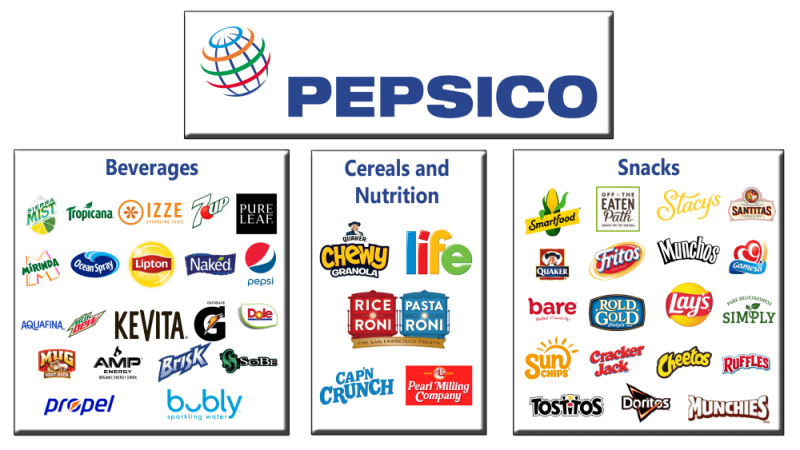
PepsiCo’s strength lies in its highly diversified product lineup, which spans far beyond just soft drinks. Its brand portfolio includes some of the biggest names in the food and beverage industry:

Pepsico's Brands

This diversification gives PepsiCo an edge over competitors like Coca-Cola, which remains heavily dependent on pop sales. I believe the snack and sports drink categories will grow faster than pop over time, making PepsiCo’s diversified product base a major advantage.

Strong Management and High Standards

From my work experience, I’ve dealt with many Fortune 500 companies, but PepsiCo stands out as the best-managed in my opinion. PepsiCo demands excellence from its partners and holds itself to high operational standards. In fact, I would say that my employer and coworkers respects PepsiCo more than almost any other company we work with. The company’s ability to maintain high standards while operating a massive global business reflects strong, intelligent leadership — exactly the kind of management I want to invest in.

A Defensive, Low-Volatility Stock

PepsiCo also helps balance my portfolio. It has a relatively low beta of .5. This means it’s less volatile than the broader market. This makes it a stabilizing force in my portfolio, providing consistent returns even during market downturns. While PepsiCo may not deliver explosive growth, its ability to generate steady profits and dividends makes it an attractive long-term hold.

Why PepsiCo Over Coca-Cola?

Coca-Cola and PepsiCo are often viewed as interchangeable beverage giants, but I see PepsiCo as the better investment. Coca-Cola is still heavily reliant on soft drink sales, while PepsiCo benefits from a more diversified business model that includes snacks, juices, and sports drinks. I believe the snack and juice segments have more long-term growth potential than pop, especially as health trends continue to shift consumer behavior. PepsiCo’s broader product base makes it less risky and more adaptable to changing market conditions.

Risks: Ozempic and the Future of Snacking

One potential headwind for PepsiCo is the rise of appetite-suppressing drugs like Ozempic. If fewer people are snacking, that could negatively affect PepsiCo’s sales. However, I’m optimistic about the long-term outlook. Advancements in genetics and metabolism research could reduce the health risks associated with sugar consumption. There’s even research into a vaccine that could prevent cavities by making the body immune to cavity-causing bacteria — which could make sugary drinks and snacks more appealing. Additionally, artificial sweetener technology is likely to improve, which could reduce the fear around diet sodas. In the long run, I believe these factors could drive higher demand for PepsiCo’s products.

The Coma Test – A Century of Consistency Dividends

Does PepsiCo pass the coma test? Absolutely. If I were to fall into a coma for 100 years, I’m confident that PepsiCo would still be around, selling many of the same popular brands and paying a bigger and bigger dividends each year. Human taste buds aren’t going to change — people will always crave salty and sugary snacks. If anything, with improvements in health technology, PepsiCo’s potential customer base could grow. My position in PepsiCo is still relatively small, but I’d love to see the stock price continue to drop so I can accumulate more shares. I hope it becomes one of my biggest positions over time.

Reason I Own Clorox (CLX)

Percent of Portfolio:
6.3%

Clorox Logo

My investment philosophy prioritizes quality companies built to endure. Brands with established customer loyalty, a history of profitability, and the potential for long-term growth are what I seek. Clorox, a household name synonymous with cleaning and disinfection, perfectly aligns with this vision. Here's why Clorox earns a prominent spot in my portfolio.

Enduring Strength and Reliability:

Clorox boasts a powerful brand that has transcended generations. This strength is evident in its over 50-year history of paying dividends, a testament to its consistent profitability. Clorox passes my "coma test" with flying colors. Even in a hypothetical 100-year slumber, hygiene concerns are unlikely to disappear entirely. Clorox's essential cleaning products would likely remain relevant, ensuring the company's continued success. The recent pandemic further solidified this notion as demand for Clorox products surged, highlighting the brand's irreplaceable role in our lives.

Global Reach and Diversification: A Shield Against Uncertainty

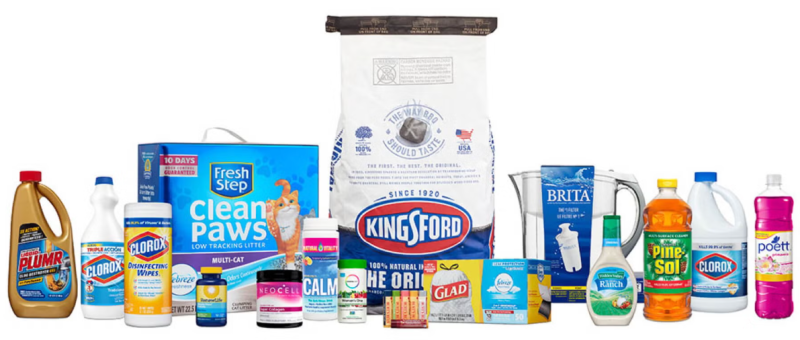
Clorox's potential for international expansion offers a compelling long-term growth avenue. By establishing a strong presence in new markets, the company can solidify its position as a global leader in cleaning and hygiene solutions. Furthermore, Clorox offers a diversified portfolio of well-known brands beyond its core cleaning products. This includes Burt's Bees and the ever-popular kitty litter brands Fresh Step and Scoop Away. This brand diversification mitigates risk within my portfolio, ensuring I'm not solely reliant on the success of one product line.

As human settlements encroach on natural habitats, the risk of zoonotic diseases - those transmissible from animals to humans - is on the rise. Melting ice caps further exacerbate this concern, potentially unleashing previously frozen viruses. Additionally, the possibility of lab-developed viruses cannot be entirely discounted. These factors collectively suggest that pandemics may become more frequent in the years to come.

Clorox, however, stands to benefit from such unforeseen circumstances. During pandemics, the demand for hygiene and cleaning products skyrockets. Clorox's established brand and essential product lines position it to excel in these periods of heightened hygiene awareness. In a scenario where other parts of my portfolio might struggle, Clorox's performance could act as a buffer, offering a layer of "pandemic protection" and diversification that strengthens my overall investment strategy.

This unique quality complements Clorox's existing strengths. The combination of a strong brand, consistent dividend history, essential product lines, international growth prospects, and a diversified portfolio makes Clorox a strategic fit for my long-term investment philosophy. By including Clorox, I gain exposure to a defensive consumer staple company with the potential for steady growth, reliable returns, and the unexpected benefit of acting as a hedge against potential future pandemics.

Clorox's Brands

Pet Products: A Recession-Proof Niche with a Twist

Clorox's ownership of Fresh Step and Scoop Away kitty litter is particularly intriguing. The pet care industry exhibits remarkable resilience during economic downturns. People prioritize their furry companions, making pet products a relatively recession-proof sector. However, I see an additional, more long-term growth driver: the rise in pet ownership fueled by growing loneliness. Studies suggest young men are less interested in relationships, and by 2030, nearly half of all women may be single. Many of these individuals may turn to pets for companionship, creating a long-term demand for pet care products like Clorox's kitty litter.

Cleaning Things Up

In conclusion, Clorox embodies the qualities I seek in a long-term investment. Its strong brand, consistent dividend history, essential product lines, international growth prospects, and diversified portfolio make it a strategic fit for my investment philosophy. By including Clorox, I gain exposure to a defensive consumer staple company with the potential for steady growth and reliable returns. Moreover, Clorox's presence in the pet care industry, fueled by the potential rise in single pet owners, adds an intriguing long-term growth catalyst to the mix.

Ark Genomic Revolution ETF (ARKG)

Percent of Portfolio:
4.6%

ARK Genomic Logo

Why ARK Genomic ETF Aligns with My Investment Philosophy

My investment philosophy prioritizes quality over quantity, focusing on exceptional businesses held for the long term. This strategy aligns perfectly with the ARK Genomic Revolution ETF (ARK G ETF) because it targets a sector—gene editing—that is poised to fundamentally redefine healthcare for generations.

Investing in the Future:

My bedrock principle is the "coma test," which emphasizes companies likely to thrive for decades. Gene editing is a revolutionary technology with the potential to cure diseases and fundamentally change healthcare—a true 100-year opportunity. ARK G ETF invests in companies at the forefront of this field, positioning my portfolio for long-term growth alongside this transformative technology.

Exposure Without Expertise:

While I value understanding the companies I own, navigating the complexities of gene editing and the pharmaceutical industry is daunting. ARK G ETF alleviates this by offering diversified exposure to this critical sector. I simply do not have the time or the specialized knowledge to dig through all 37 of their positions, learn deeply about them, and invest in the single right one. Even if I did, my confidence in my gene knowledge is low. It's best for me to buy an ETF and spend my time researching businesses I have a better chance to understand.

Betting on Disruption:

My philosophy embraces contrarianism, seeking opportunities in disruptive sectors. This is not what I am looking for with a safe, boring investment. I believe that somewhere in this industry there will be multiple 100X stocks and maybe a 1,000X stock. I want a fund that is willing to be bold and take a risk to buy these funds even if they are risky. ARKG, unlike safer genomic ETFs like the Invesco Biotechnology & Genome ETF or Global X Genomics & Biotechnology ETF—which invest in already established pharma brands—is the clear choice because it aggressively pursues these huge, multi-bagger gains.

Diversification and Where ARKG Stand In My Portfolio

ARK G owns 37 different stocks adds diversification to my portfolio, even if they are all focused on one part of the tech sector. ARKG is the stock with the highest Beta/Volatility (Average change in stock price) in my portfolio. This technically shows that this is one of the most "risky" stocks I own. However, I feel that although the price is volatile, the long-term thematic risk is not as high as it seems. With the continual growth of AI in recent years and the hundreds of billions of dollars companies are throwing into AI infrastructure, I view the future genomic revolution as inevitable. I am almost 100% certain of this. Eventually, tech will get to a point where people can edit their DNA and their children's DNA, making "designer babies." Since the USA is #1 in AI spending and medical innovation, I think the companies that will create this technology will be primarily American.

Risks

If I am so sure that this genomics revolution will happen, what could possibly go wrong with this investment? I see three primary risks:

Am I Too Early?

I could be early. If you predicted the internet being huge in the 1990s, you could have been 100% correct but still invested too early and been wiped out, down 99%. While that risk is real, I think the genomic revolution will be well on its way by 2030 and I think people will look back in 2035 and think it was obvious it was going to happen.

What If Nobody Makes Money From This Genomic Tech Revolution

Maybe this genomic revolution will come, but no one will make money from it. I find this extremely unlikely. If you discover these technologies and sell them, you will likely make billions.

Will ARK G Find The Diamond In Rough?

ARK Genomic ETF may not pick the right stocks; this is a clear possibility. However, because I am a devout believer in the genomic revolution, I want exposure. ARKG is the best choice because I believe Cathie Wood and her team have the balls and the knowledge to pick out these life-changing stocks. I became aware of Cathie Wood when, in 2018-ish, she came on CNBC and said Tesla was going to 50X. The people on the panel acted like she was crazy, but she had the conviction to go against the grain and make Tesla the biggest stock in her ARK Innovation fund. This is a bold and risky call, and it is precisely the kind of management the fund will need if it wants to capture the few diamond-in-the-rough companies that will return 100x or 1,000x.

Reason I Own Canadian National Railway (CNI)

Percent of Portfolio:
4.6%

Logo

A Wide-Moat Business at a Fair Price

Canadian National Railway is one of the strongest wide-moat businesses in North America. Railroads are irreplaceable infrastructure — once the tracks are laid, no one is going to build a competing network alongside them. That makes them structurally protected in a way few industries can match.

CNI is currently a smaller position in my portfolio, but I view it as a bedrock holding that I could comfortably grow into a much larger allocation if the valuation and macro environment present the right opportunity. My time horizon is extremely long — 50 to 100 years or more. I plan to hold CNI forever, potentially past the year 2100, and simply collect the dividends to fund my life in retirement.

The Moat: Steel Tracks That Cannot Be Replicated

Railroads are capital-intensive, heavily regulated, and geographically entrenched. Nobody is going to duplicate CNI’s transcontinental network — it would destroy both companies’ profits and is economically irrational. That makes the moat essentially permanent.

CNI has coast-to-coast operations in Canada, with extensions into the U.S. Midwest and Gulf of America. It is a backbone of North American commerce, and that backbone is not going away.

Canadian National Railroad Map

Why the Stock Looks Attractive

Right now, CNI trades at a fair valuation relative to its historical multiples and is temporarily depressed due to tariff-related headwinds in both the U.S. and Canada. The company also returns significant capital to shareholders through dividends and share buybacks.

The dividend yield is not sky-high, but it is steady and well-covered, with room for growth. The strong buyback program provides additional support, creating a consistent return stream for long-term holders. For me, that’s enough: CNI won’t deliver explosive returns, but it should deliver perpetual returns.

Bullish on Canada / Macro Tailwinds and Headwinds

Owning CNI is essentially a bullish bet on the Canadian economy. Railroads are cyclical — they do well when the economy does well, and they struggle when the economy slows. If Canada’s economy continues to stumble or trade tensions rise, the stock may decline further. But the long-term story is compelling.

Canada’s government has a stated goal of growing the population from about 40 million today to 100 million by 2100. That population growth, combined with Canada’s vast natural resources, provides a strong macro backdrop. Nearly 70% of CNI’s freight traffic comes from moving commodities like grain, lumber, oil, and minerals. Those resources will always need to be moved from the interior to ports, and imported goods will need to be shipped inland to cities like Toronto and Montreal.

If Canada grows as planned, railroads like CNI will be the arteries of that growth.

What If Canada Were Annexed by the U.S.?

At first glance, annexation of Canada by the United States might sound like a political joke, but it deserves serious consideration as a long-term scenario. The strategic rationale is straightforward: Canada possesses some of the largest reserves of natural resources in the world — oil, natural gas, lumber, grain, and critical minerals. In an era of intensifying geopolitical competition, securing access to these resources may eventually be viewed as a matter of U.S. national security rather than simple economics.

The U.S. already relies heavily on Canada for energy and commodity imports. Full annexation, or even a closer economic union, would ensure these resources remain under direct U.S. control. It would also strengthen the security of Alaska, which today is geographically separated from the rest of the United States by Canadian territory. In a world where military and supply chain vulnerabilities are scrutinized, integrating Canada would eliminate a major weak point. From an economic perspective, annexation would also unlock massive efficiencies. Eliminating cross-border frictions, aligning regulations, and integrating infrastructure would create a seamless North American trade zone. For Canadian National Railway, the implications would be profound. Tariffs, customs delays, and regulatory inefficiencies would vanish. Freight could move across the continent as if Canada and the U.S. were a single market. I believe such a shift could increase CNI’s value by 20–50% almost immediately.

Even if full annexation never happens, a looser “EU-style” agreement — with free movement of people, common currency, and no tariffs — would generate similar economic tailwinds. Such integration would be more politically palatable to Canadians while still delivering enormous benefits. The result would be an economic boom that directly feeds into greater freight volumes for railroads like CNI.

While annexation talk may sound extreme today, history is filled with examples of political realignments driven by necessity. If securing critical resources and protecting North American territory become paramount concerns, annexation or deep integration with Canada could move from “unthinkable” to “inevitable.” With a 50–100 year investment horizon, I view this as a real possibility worth keeping in mind. For Canadian National Railway shareholders, it represents a significant long-term upside catalyst.

Canadian Annexation

Business Mix

One of the main reasons I love CNI is its heavy exposure to commodities. Roughly 68% of its business is tied to moving natural resources — the lifeblood of the Canadian economy. This gives it leverage to global demand for energy, agriculture, and raw materials. While this creates some cyclicality, it also ensures enduring demand. A drone or truck isn’t going to move 1,000 barrels of crude oil or 100 railcars of wheat.

Why Not Invest in Canadian Pacific?

The other major Canadian railroad, Canadian Pacific Kansas City (CPKC), has an appealing transnational line running from Mexico to Canada. At first glance, that sounds like a great growth driver, given Mexico’s and Canada’s economic prospects. But there are problems. Mexican law prohibits foreign companies from directly owning railroads. Instead, CPKC leases the rights long-term. This erodes the moat — a hostile or opportunistic Mexican government could revoke those rights or dramatically increase fees. The current leases expire in the 2040s, which is well within my lifetime holding horizon. That creates unacceptable political risk for me. In contrast, CNI’s exposure is overwhelmingly Canadian, with a much cleaner ownership structure. On top of that, CNI trades at a more attractive valuation. For me, Canadian National offers the purest bet on Canadian economic growth

Risk of Disruption in the Rail Industry

Technology is the wildcard. Could railroads be disrupted by drones, self-driving trucks, or even rockets? Possibly. But the risks are overstated.

In my view, railroads will remain the backbone of heavy freight movement through 2100 and beyond.

Investment Case

CNI is a rare business: wide moat, critical infrastructure, commodity-linked, and supported by favorable macro trends. Railroads also have a history of consolidation — from hundreds of companies in the 19th century to just six today in North America (two in Canada). That trend could continue. CNI could be a buyer, increasing scale and synergies, or it could be bought out at a premium. Either scenario would benefit shareholders.

On top of that, holding CNI in a Roth IRA means I avoid Canadian dividend withholding tax under current rules. That said, if a major trade war escalates, tax treatment could change — a risk worth noting.

Last Stop

Canadian National Railway is not an exciting investment, but it doesn’t need to be. It’s a long-term compounder with a virtually irreplaceable moat, exposure to Canadian growth, and steady returns through dividends and buybacks. Tariff headwinds may weigh on the stock now, but my horizon is 50–100 years.

Whether Canada grows to 100 million people, integrates more deeply with the U.S., or simply continues as it has, CNI will remain a critical artery of the economy. It is the definition of a “forever stock” — one I never plan to sell, and one I expect to be paying my bills with dividends well into the next century.

Reason I Own A Pablo Picasso Painting

Percent of Portfolio:
3.6%

My Picasso Painting

A Fraction of Genius: Why I Invested in a Picasso Painting

I do not own an entire Picasso painting; instead, I own a small percentage through a service called Masterworks. This platform offers a unique way to invest in fine art by creating a separate LLC for each painting. The LLC’s sole asset is the artwork, and shares in this entity are sold to investors. When market conditions are favorable, Masterworks sells the painting, distributes the profits among shareholders, and dissolves the LLC. Shares can be bought and sold on a secondary market facilitated by Masterworks, though it is worth noting that the liquidity is lower than typical stocks, and the bid-ask spread is significantly wider. Despite these limitations, I was drawn to this opportunity as a hands-on way to learn about a new asset class.

Why Art as an Investment?

Art has a compelling historical track record of outperforming the stock market. Before services like Masterworks, investing in fine art was a privilege reserved for the ultra-wealthy, creating high barriers to entry for average investors. By democratizing access to this market, platforms like Masterworks have opened the door for everyday individuals to participate. I believe this increased accessibility will drive up demand for fine art, further enhancing its investment potential. This shift could be transformative, as it allows the "common man" to invest in an asset class once dominated by the elite, potentially leading to long-term price appreciation.

Scarcity and Picasso’s Enduring Appeal

One of the most appealing aspects of investing in Picasso is the inherent scarcity of his works. As he is no longer alive, there will never be more Picasso paintings created. Natural disasters, fires, and vandalism further reduce the available supply over time. Additionally, many of his works are held in museums, which are unlikely to part with their pieces. This creates a unique scenario where the supply of Picasso’s art is steadily decreasing while demand continues to rise. This dynamic is a classic recipe for long-term price appreciation.

Why I Chose Picasso

I chose to invest in a Picasso painting because I believe his works pass my "coma test": if I were in a coma for 100 years, I’m confident that Picasso’s art would still be highly valued and appreciated. His status as a cultural icon and the fixed supply of his paintings, coupled with the natural scarcity that increases over time, makes his work an excellent long-term investment. As Picasso is no longer creating new pieces, the price of his existing works is likely to rise as supply diminishes and demand grows.

On a personal level, I’ve always been captivated by Picasso’s art. His works are abstract, trippy, and endlessly intriguing—they invite conversations and spark curiosity as viewers interpret their meanings. In museums, Picasso’s pieces are consistently the ones I find most memorable. The bold colors, unconventional shapes, and surreal details create an almost hypnotic effect, drawing me in and making me ponder the story behind each piece. His ability to evoke such a visceral reaction sets him apart from other artists.

I also think that as art investing becomes more democratized, demand will increasingly concentrate on artists like Picasso, whose works are widely recognized and resonate with the general public. His name alone carries significant weight, and the visual appeal of his paintings ensures their lasting popularity.

Portfolio Allocation

Currently, my art holdings represent only 2% of my overall portfolio. This is not due to a lack of interest but rather a limitation in available funds. Recently, I got married, and as anyone who has been through the experience can attest, weddings and wives are expensive! In the future, I hope to expand my art investments, including acquiring additional shares in Picasso’s works and exploring other artists such as Jean-Michel Basquiat. Basquiat’s paintings, including Loin, Mississippi, and Red Rabbit, are particularly appealing to me. I also have my eye on another Picasso offering, Homme à la Pipe. Owning multiple pieces could reduce my risk while maintaining strong potential returns.

Considerations for Art Investing

It is important to note that Masterworks takes a percentage of the profits when they sell a painting. While this reduces the net return, I believe the art market’s overall potential still makes it a worthwhile investment. The combination of scarcity, increasing demand, and the democratization of the market creates a strong case for continued growth in art values over the long term.

Interested in Art Investing?

If you’re intrigued by the idea of investing in art, I encourage you to explore Masterworks. I have a referral link for those interested: Masterworks Referral Link. If you choose to use my link we both will receive $200. I sincerely appreciate your support. Art is a fascinating and potentially lucrative asset class, and platforms like Masterworks make it more accessible than ever before.

Reason I Own PayPal (PYPL)

Percent of Portfolio:
1.9%

Logo

A Simple, Scalable Business Model

PayPal is a business I have recently started buying, beginning with a small position. My plan is to accumulate more if the price falls further.

The company’s core business is very easy to understand. When you buy something online and click “Pay with PayPal,” the company takes a small fee from the merchant. Once the infrastructure is built, the cost of processing 20 million transactions versus 10 million is extremely low. This means incremental growth in transaction volumes flows almost entirely to the bottom line. As revenues grow, margins expand, and profitability improves.

Trading Dirt Cheap

I was first intrigued by PayPal when I saw it mentioned in a video highlighting its unusually low P/E ratio and its billions of dollars in free cash flow used to buy back shares. At the same time, I began using one of their new products, which impressed me and made me look deeper into the company.

There is uncertainty about how people will pay in the future. PayPal is heavily tied to online purchases, which slow significantly during economic downturns. Despite that risk, the stock’s valuation and buyback strategy make it appealing.

Buybacks and Valuation

PayPal’s share count has been dropping quickly thanks to aggressive buybacks. The company trades at a P/E in the low teens, far below peers like Visa and Mastercard. Analysts expect little or no growth, but even modest stability in revenues combined with these buybacks will steadily increase earnings per share.

There is uncertainty about how people will pay in the future. PayPal is heavily tied to online purchases, which slow significantly during economic downturns. Despite that risk, the stock’s valuation and buyback strategy make it appealing.

Venmo: A Bright Spot with the Young

Venmo is one of PayPal’s most valuable assets. It is extremely popular among younger users, who prefer it to alternatives like Zelle. Venmo’s social interface — complete with emojis and comments on payments — makes it more engaging and fun. Zelle, by comparison, has a reputation for scams. As someone who rarely carries cash, I use Venmo myself and see it as a long-term growth driver with the younger demographic.

Crypto: A Huge Optionality Bet

PayPal is also making a push to enable real-world crypto payments. The global market for physical, in-person transactions is measured in the tens of trillions of dollars annually. If PayPal captured even 1% of that market with a 0.1% fee, it would generate hundreds of millions in annual profit. This optionality is not reflected in the stock’s current valuation, but it aligns well with younger users who are more open to crypto adoption.

PayPal Debit Card: A Loss Leader with Strategic Value

Another product that impressed me is the PayPal Debit Card, which offers 5% back in a single selected category (like groceries, gas, or restaurants) each month. I’ve personally used it at Costco, where it codes as groceries, to earn 5% back on furniture and household essentials. This product likely loses PayPal money in the short term, but it generates publicity, attracts new customers, and incentivizes people to keep cash in their PayPal accounts. Long-term, I believe this strategy adds more value than it costs. I follow consumer financial products closely, and I feel I noticed the strength of this offering earlier than many analysts who only focus on financial statements.

Moat (or Lack Thereof)

My biggest concern with PayPal is its limited moat. In online checkout, I sometimes use PayPal, sometimes Apple Pay, sometimes Google Pay — they are largely interchangeable. Venmo has some stickiness thanks to its user base and reputation, but alternatives like Zelle are faster and, in some ways, better. PayPal’s services are convenient, but not unique.

Competition and Klarna’s Threat

The rise of Buy Now, Pay Later (BNPL) firms like Klarna has also hurt sentiment. In my view, BNPL is just another way for financially weak consumers to borrow irresponsibly. When times are tough, default rates will soar and many of these companies could fail. PayPal has copied the BNPL model with its “Pay in 4” program. I don’t like this side of the business, because unsecured consumer loans can add unnecessary risk. If PayPal sells the loans quickly, it’s fine, but holding them on the balance sheet is a risk. Defaults in a downturn could hurt earnings and spook investors.

Why Does It Trade So Cheap?

The market assumes PayPal will lose market share and see margins compress. While that is a possibility, I think the odds that transaction volume does not grow at all are very small. Even slow growth, combined with buybacks, should steadily lift EPS. If the company’s multiple expands even partially toward Visa or Mastercard levels, the upside is substantial.

Check Out

PayPal is a straightforward, high-margin business that processes over a trillion dollars of payments annually and takes a small cut. Today it trades at a very attractive valuation based on earnings and free cash flow. The market assumes it will lose share forever; I believe there is a strong chance growth returns, whether through Venmo, crypto, or international expansion. The risks are real — limited moat, competition from Apple and Google, BNPL exposure, and economic downturns. But at today’s price, I see PayPal as a compelling value stock with strong downside protection from buybacks and meaningful upside if growth returns. I’m starting small, but if shares fall further, I’ll gladly buy more.

Reason I Own Philip Morris (PM)

Percent of Portfolio:
.4%

Philip Morris International Logo

Why Only 0.4%?

Philip Morris is the smallest position in my portfolio — less than 1%. Why own it at all? Frankly, I believe Philip Morris may be one of the best businesses on Earth. If it were trading at what I consider a fair price, I’d be comfortable making it a very large portion of my portfolio — perhaps 20%–40%. Going into 2025, PM was roughly 8% of my portfolio, but strong performance through 2024–2025 pushed the stock much higher. I sold most of my shares near $170. I’ve followed and invested in the tobacco industry since 2018. It’s simple to understand, and over the years I’ve tracked the major players closely. That history gives me conviction in understanding how these businesses trade at various valuations.

Right now, though, valuations are too high in my view. Last year (2024), British American Tobacco — one of PM’s most direct competitors internationally — was trading with a dividend yield above 10%. After PM’s recent run, it was trading closer to a ~3.5% yield, a level not seen since 2017. Historically PM has traded at a P/E roughly in the 7–17 range; at the time I sold it was trading above 30. My sale was purely a valuation decision.

The rally came for many reasons, most noticeably the runaway success of ZYN and the broader interest in smokeless products. Tobacco is normally an out-of-favor industry — the media rarely highlights it because of the negative reputation — and I expect that sentiment will likely swing back at some point. When that happens, PM’s multiple should compress, its dividend yield should drift back toward historical ranges, and I’ll be ready to buy heavily when yield and valuation look attractive again.

Why not sell everything?

I left a tiny position not for a quantitative reason but for practicality and psychology. Keeping a small stake keeps me engaged with the name. Also having a position with an ~80% personal return is a nice ego boost. Mostly, though, I view the tiny holding as a way to stay close to a company I still believe in while I redeploy capital into what I see as better-valued opportunities. In this case I sold what I thought was overvalued Philip Morris and bought what I thought was undervalued PepsiCo.

I’m confident I’ll get another chance to buy at more attractive levels, so I sold for valuation reasons and reallocated my money elsewhere for now. Insha’Allah I’ll be buying PM again when the price is right.

For my full bullish thesis before I sold, continue reading below.

Why Philip Morris International (PM) Fits My Long-Term Investment Philosophy

Philip Morris International (PM), a leading tobacco company with a global presence outside the US, aligns perfectly with my investment strategy. Let's explore why PM checks all the boxes on my investing checklist, using the principles I outlined previously.

Coma Test: Enduring Demand for a Vice

My "Coma Test" emphasizes a company's ability to thrive even after a long period of inactivity. Cigarettes, despite health concerns, remain a vice enjoyed by a significant global population. Nicotine's addictive nature fosters a strong customer base, and even if societal attitudes evolve towards healthier alternatives, the underlying demand is unlikely to disappear entirely. While regulations in one nation can pose a threat, PM's international presence mitigates this risk. People have used nicotine products for thousands of years and will likely do so for the next thousands too.

ZYN Capitalizes on Young Consumers

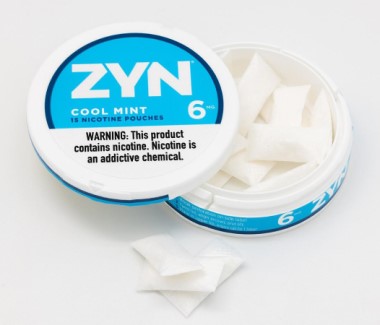
My focus extends beyond established brands. PM's recent ventures into alternative smokeless products like ZYN are exciting. ZYN's popularity among young people, including many people I am around. On social media ZYN has become a meme and many young people view it as "Cool". This highlights PM's ability to adapt to changing consumer preferences and potentially capture a new generation of customers.

Image of Zyn can

Strong Historically Performance

While past performance isn't a guarantee of future results, PM's track record is impressive. Some metrics suggest it could be "the best performing stock ever," and the tobacco industry, historically, has outperformed the S&P 500. This data adds another layer of confidence to my investment thesis.

Note: Phillip Morris and Altria were the same company until 2008

Sources:

America's most successful stock

3 Ways The Greatest Stock In History Can Help You Retire Rich

A Straightforward Business Model

Complexity is not my friend. PM's core business of selling cigarettes and tobacco products is easy to understand. This transparency allows me to stay informed and make well-reasoned investment decisions.

Building a Brand Powerhouse

PM boasts a strong portfolio of established brands like Marlboro, the bestselling cigarette globally. Additionally, their ventures into smoke-free alternatives like IQOS, which is a heat not burn tobacco product, demonstrate a commitment to innovation. IQOS's appeal to young people abroad suggests potential for future growth. Both ZYN and IQOS offer a safer alternative to traditional cigarettes, potentially mitigating some of the ethical concerns surrounding the tobacco industry.

Geographical Diversification for Peace of Mind

PM's global presence is a significant advantage. Regulatory changes in a single country are less likely to cripple the entire company. This geographic diversification aligns with my focus on minimizing risk through a well-rounded portfolio.

A High-Yielding Dividend Stock

Finally, PM offers a strong dividend yield exceeding 5%. This aligns with my desire to build a portfolio that generates passive income over time.

In conclusion, Philip Morris International checks all the boxes on my long-term investment checklist. Its addictive products, historical outperformance, strong brands, and innovative smokeless alternatives position it for continued success. The company's global presence and focus on diversification further mitigate risk. While the tobacco industry faces challenges, PM's commitment to adaptation strengthens its long-term appeal.

Future Purchases?

Here is my list of companies I think match this criteria above. They may make it into the Roth IRA if I see a good buying opportunity and things check out when I research deeper. Maybe someday they will have their own section above!

Company Stock Symbol Industry
Apple AAPL Technology
Amazon AMZN Technology / Retail
Bitcoin BTC Crypto Currency
British American Tobacco BTI Tobacco
Canadian Pacific Kansas City Rail CP Transportation
Coca-Cola KO Beverages
Grindr GRND Gay Dating App
Hawaiian Electric HE Utility
Costco COST Retail
John Deere DE Agriculture Equipment
JM Smucker SJM Food
Johnson & Johnson JNJ Healthcare
Keurig Dr Pepper KDP Beverages
Mastercard MA Financial Technology
McDonald's MCD Fast Food
Meta META Technology / Social Media
Microsoft MSFT Technology / Enterprise Software
Nintendo NTDOY Video Games
Robinhood HOOD Finance
Tesla TSLA Technology / Automotive
Toyota TM Automotive
Union Pacific UNP Transportation
Universal Holdings UVV Tobacco Farming
Visa V Financial Technology
Waste Management WM Waste / Recycling